
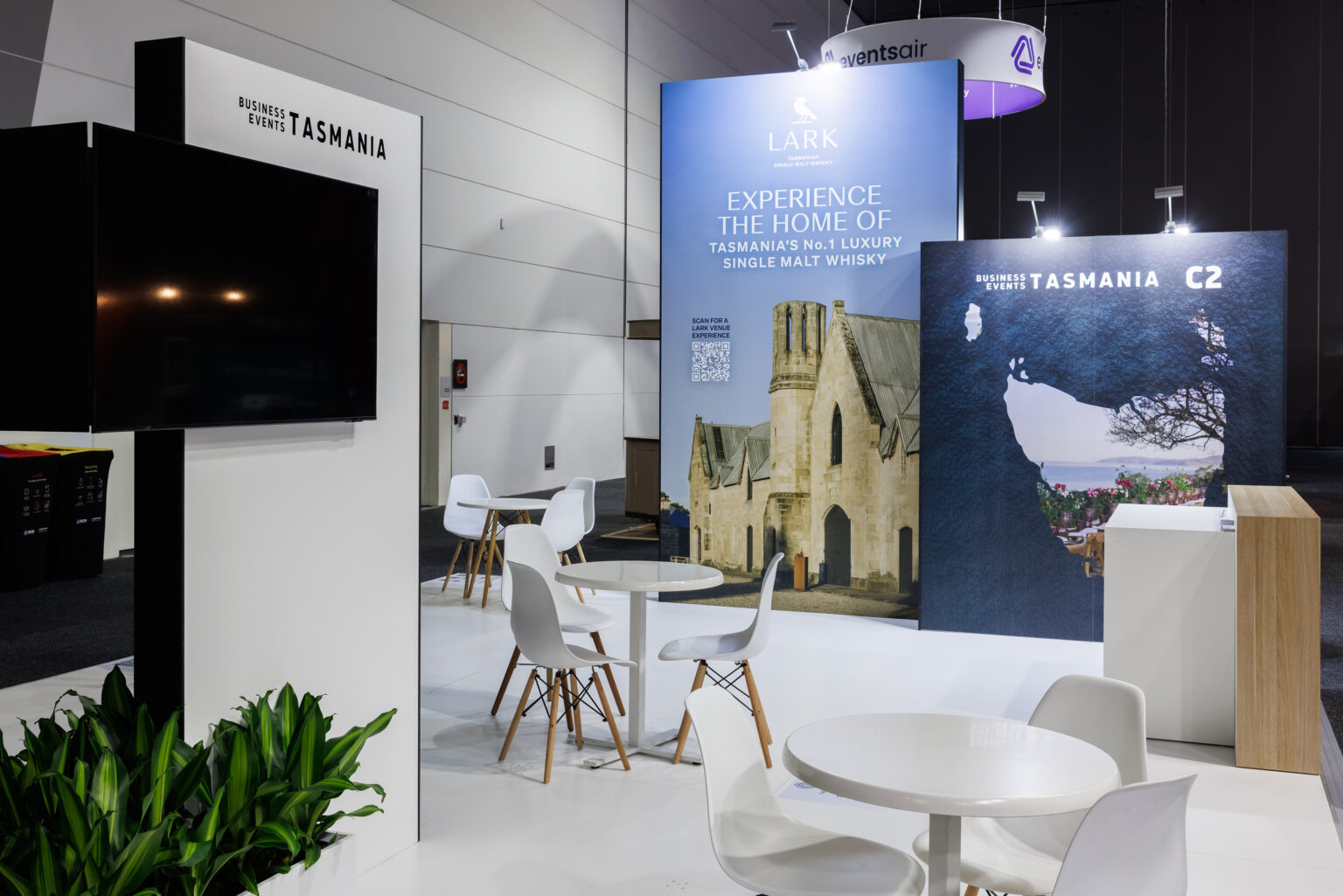
When an Exhibition Stand Builder is asked to make a brand feel alive on the trade show floor, the brief often starts with exhibition theatre rather than simple signage. A thoughtful Exhibition stand design layers storytelling, lighting, and motion so that visitors understand what you do in the first few steps. Even while evaluating Stands for exhibitions that move between cities, the goal remains the same: draw people in and keep them exploring without overwhelming the senses.
Define the nervous system of the experience
Immersion is part choreography, part systems thinking. Imagine the visitor journey as a pulse—the entry, the deeper engagement zone, and the exit that hands strong leads to your team.
Map those moments carefully and decide what each zone must communicate. Install the hero element at the earliest touchpoint, then use tactile or digital cues to pull people farther inside. Keep the circulation wide enough to avoid bottlenecks, and allow staff to intervene naturally rather than block the path.
Layer in storytelling elements
A single surface or display should work harder than just featuring a logo. Use layered messaging: one headline that primes curiosity, subheads that add context, and modular props or screens that present outcomes. Consider using transparent materials to reveal what is happening behind the scenes, or incorporate live demos that play on loop. When each layer builds on the previous one, the story feels effortless and helps people retain the narrative.
Narrative consistency also means aligning the copy with your broader campaign. Extend the same tone through brochures, digital content, and staff dialogue so every encounter feels unified. When visitors hear, see, and touch the same story, they are more likely to remember your message.
Build texture with materials and finishes
Immersive stands should feel premium to the touch. Use materials that invite interaction—brushed metal, grooved panels, or fabric walls that showcase movement. Mix soft surfaces for meeting zones with crisp finishes for demonstration areas. The contrast keeps the journey dynamic and signals where visitors should pause. Remember that every finish also has practical demands such as cleanability, transport resilience, and sustainability credentials.
Add layered textures such as velvet seating, ribbed laminates, and hardwood accents to create zones that feel distinct while remaining cohesive. Think about how a visitor would use the surface—leaning, reaching, or resting—and choose materials that support those actions without showing wear quickly.
Coordinate lighting and AV cues
Lighting can be the invisible guide in the stand. Warm spotlights attract attention to displays, while cooler ambient light keeps lounges calm. Use programmable fixtures so you can change scenes throughout the show—brighter when doors open, calmer as the day winds down. Audio should be discrete; use directional solutions or headphones for immersive demos so you don’t compete with neighbouring stands. When sight, sound, and touch are aligned, visitors believe they have stepped into a purposeful, premium environment.
AV should complement rather than dominate the space. Layer short-form video loops or kinetic typography with a calm soundtrack, and keep volumes at a level that excites without overwhelming. When AV cues fade out between demos, it signals a pause that invites conversation.
Train the team as part of the design
Design does not end with physical structures. Train the staff to interpret the immersion strategy and respond to different visitor cues. Assign specific team members to greet, demo, and capture details so the choreography works live. When the human element mirrors the tone of the space, the entire stand feels cohesive and visitors remember the experience long after the show.
Extend training to include sensory cues—what to do when a visitor lingers at a textured wall or when a light scene shifts. This keeps the team fluid and reinforces that they are part of the staged moment rather than detached actors.
Iterate with visitor feedback
Capture quick impressions on-site with sticky notes or a short voice memo so you can refine the journey while the show is still fresh. Review these nuggets in your daily debrief and adjust lighting, signage, or staffing accordingly.
After the show, compare the feedback with your analytics to see what resonated. Use the insights to evolve the stand for the next event so the immersive experience keeps improving.
