
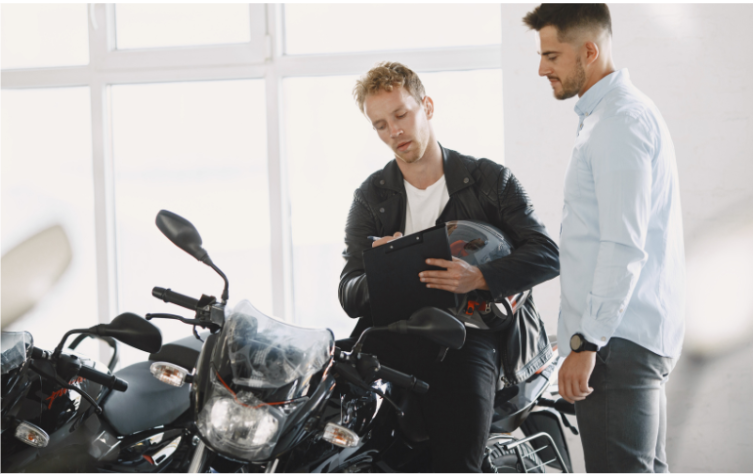
Owning a motorcycle in Singapore isn’t just about choosing a model. You need a solid financing plan. Whether you take out loans on motorcycles or opt for leasing, each option has its pros and cons. The decision boils down to ownership preferences, financial situation, and long-term plans. Understanding the finer details of each financing method helps in making an informed choice that suits your needs and budget.
What is a Motorcycle Loan?
A motorcycle loan allows you to buy a bike and repay the amount over time. If you prefer full ownership, this is your go-to option. There are various financing options, from bank loans to online loans in Singapore that simplify the application process. Some online lenders offer quick approvals with minimal paperwork, making them attractive to those who need immediate financing.
Types of Motorcycle Loans
Motorcycle loans can be secured or unsecured. Secured loans require collateral, usually the motorcycle itself, reducing the lender’s risk. Unsecured loans don’t require collateral but tend to have higher interest rates. When choosing between these, consider your financial stability and ability to meet the lender’s requirements.
If you’re looking for the cheapest motorcycle loan, comparing interest rates from banks and a credit company in Singapore can help you find the best deal. Some lenders provide lower interest rates for buyers with strong credit scores, while others offer flexible repayment terms to cater to different financial situations. Reading the fine print is crucial to avoid hidden fees that can inflate the total cost of borrowing.
The Role of a Motorcycle COE Loan
A big chunk of the cost of owning a bike in Singapore comes from the Certificate of Entitlement (COE). A motorcycle COE loan helps cover this expense. COE prices fluctuate, and securing financing for this element ensures you don’t have to delay getting on the road. Since COE costs can make up a significant portion of your motorcycle’s total price, spreading out payments through a dedicated COE loan makes ownership more manageable.
Many lenders offer COE loans as part of a package deal with motorcycle financing, allowing borrowers to combine both expenses into a single repayment plan. This approach simplifies budgeting and ensures that riders can obtain their COE without depleting their savings.
What is Motorcycle Leasing?
Leasing a motorcycle means you don’t own the bike, but you get to ride it for a fixed monthly payment. Instead of committing to a full purchase, you pay for the right to use it. Leasing agreements vary, but they usually cover maintenance, insurance, and road tax, making it a hassle-free option. Riders who prefer avoiding the depreciation costs of owning a motorcycle often find leasing more practical.
Benefits of Leasing
Leasing is ideal if you prefer flexibility. Monthly payments are usually lower than loan instalments, and there’s no need to worry about depreciation. If you like upgrading to newer models regularly, leasing saves you from the hassle of selling an old bike. Since leasing agreements often include maintenance and servicing, there’s less stress about unexpected repair costs.
Some leasing companies even offer seasonal promotions, allowing riders to enjoy lower rental rates for specific periods. This makes leasing an attractive short-term solution for those who require a motorcycle for work or temporary commuting needs.
Loan vs. Leasing: Which One Suits You?
Your decision depends on what you want from your motorcycle experience. If you prefer ownership and can commit to monthly payments, taking out loans on motorcycles is a smart move. For those who don’t want long-term financial obligations and maintenance headaches, leasing might be the better option.
When choosing between financing options, consider how long you plan to keep the bike, your budget, and how comfortable you are with ownership responsibilities. If your priority is securing the cheapest motorcycle loan, shopping around for the best interest rates is essential. It is also wise to factor in the total cost of ownership, including maintenance, insurance, and fuel expenses.
For working professionals who rely on motorcycles for daily commuting, ownership may be more cost-effective in the long run. However, individuals who prefer changing models frequently or want to avoid the responsibilities of maintenance might find leasing more suitable.
Evaluating Long-Term Financial Impact
Another consideration when choosing between financing options is the long-term financial impact. A motorcycle loan means eventual ownership, which allows you to sell the bike and recoup some of the costs later. On the other hand, leasing offers no resale value, meaning that all payments go towards temporary use rather than an asset you can later sell.
Motorcycle depreciation varies by brand and model. Some motorcycles retain their value better than others, making ownership a better investment in certain cases. Riders interested in keeping their motorcycle for several years may benefit from financing rather than leasing.
Time To Ride
Both motorcycle loans and leasing have their place in the market. If full ownership is important to you, a motorcycle COE loan can make the upfront costs manageable. On the other hand, if you prefer flexibility without long-term commitments, leasing is worth considering. Weighing all aspects, including monthly payments, ownership benefits, and long-term financial goals, ensures you make the right choice for your situation. Contact 118 Credit to explore financing solutions that suit your riding needs, budget, and financial goals.
